

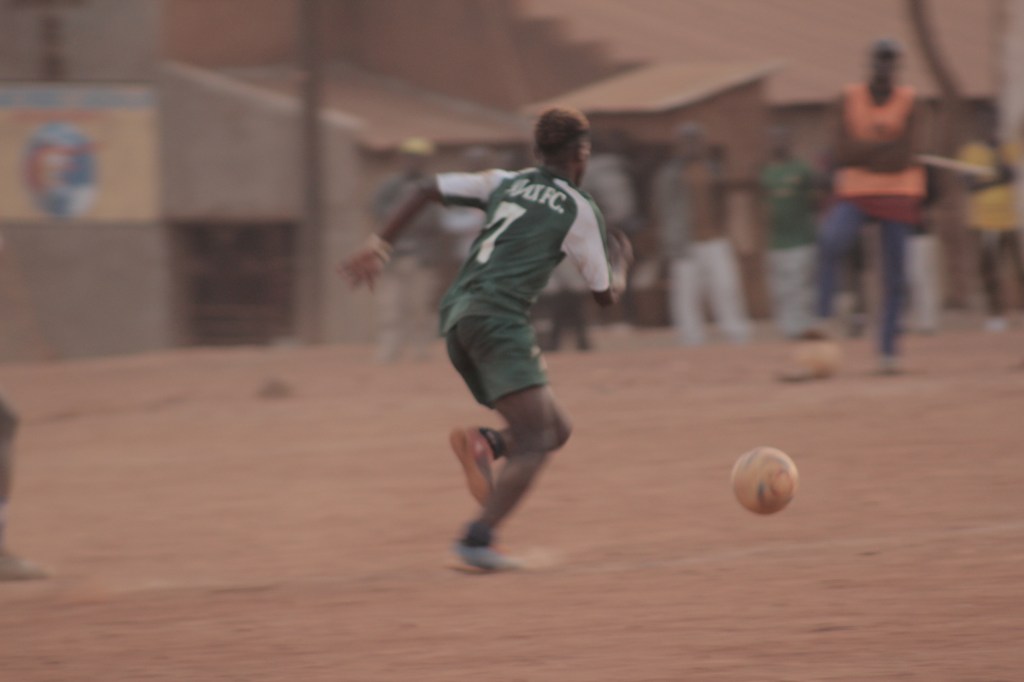
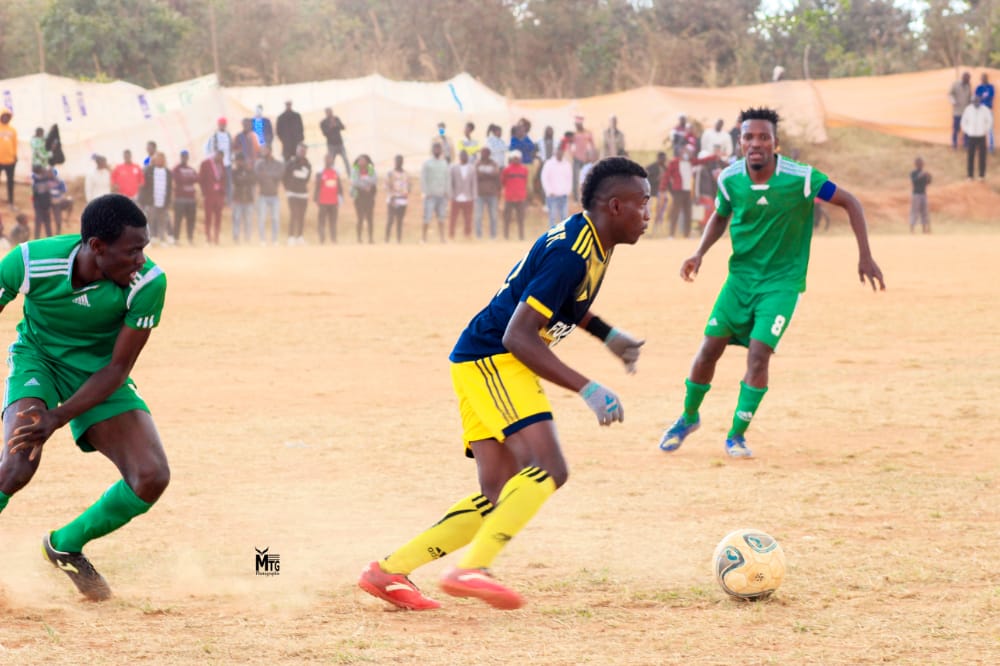
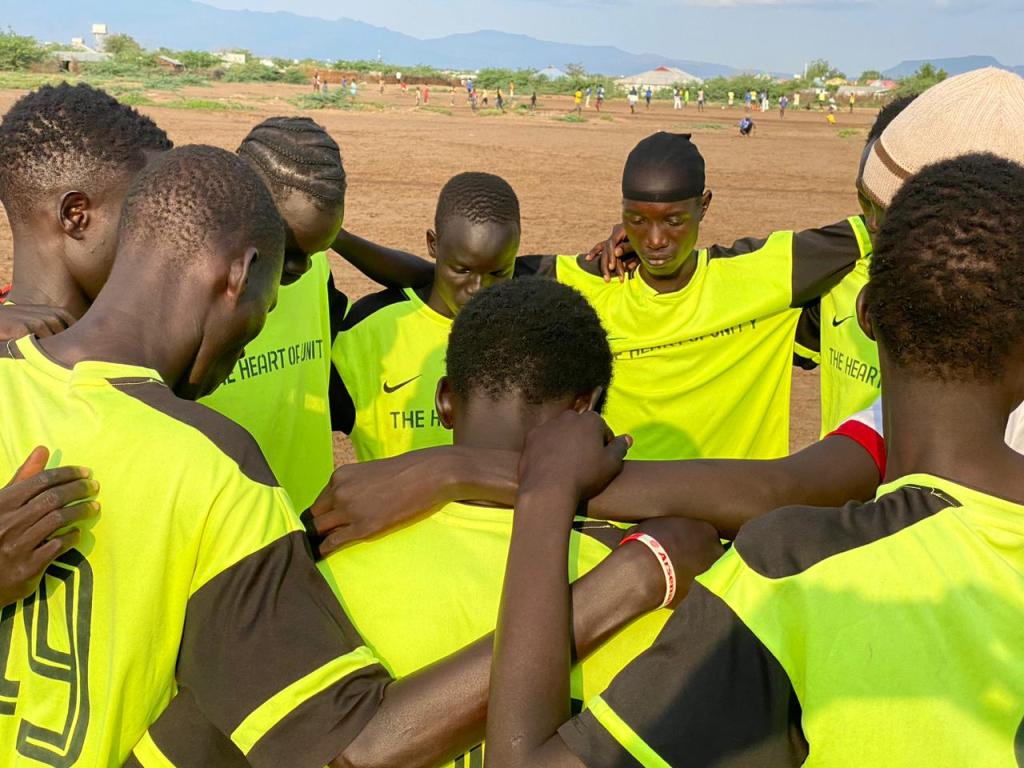
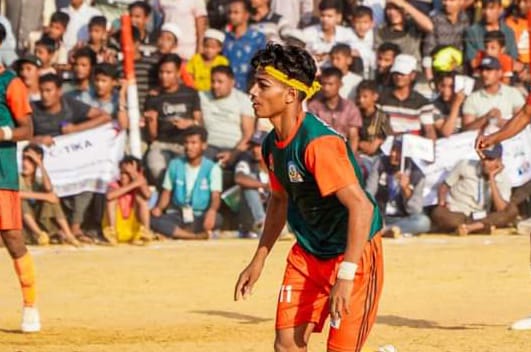
Football is at the heart of refugee communities worldwide. From playing with handmade balls made from whatever materials are available to organizing local leagues and tournaments, the sport is a crucial part of daily life. The passion extends to watching the professional leagues and it seems that every refugee has a favorite team and a favorite player.
For many, football is also a way to manage stress and keep children focused on their health. That’s of critical importance given the circumstances that refugees must face. It also provides a degree of hope as children and young adults fantasize about one day joining their professional heroes on the pitch. That dream does come true for a few, but just having a dream has intrinsic value.
It is for the reasons stated above that football is the lifeblood of Refugee Sports Network. All of our reporters are loyal fans of the sport and are dedicated to seeing it flourish in their communities.
Freestyle Football
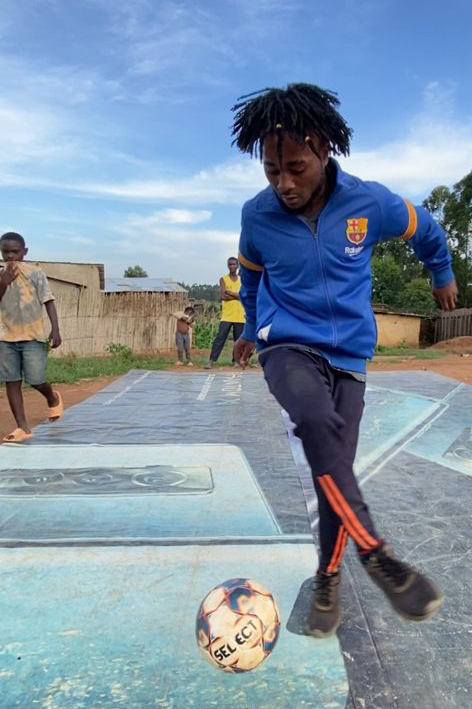
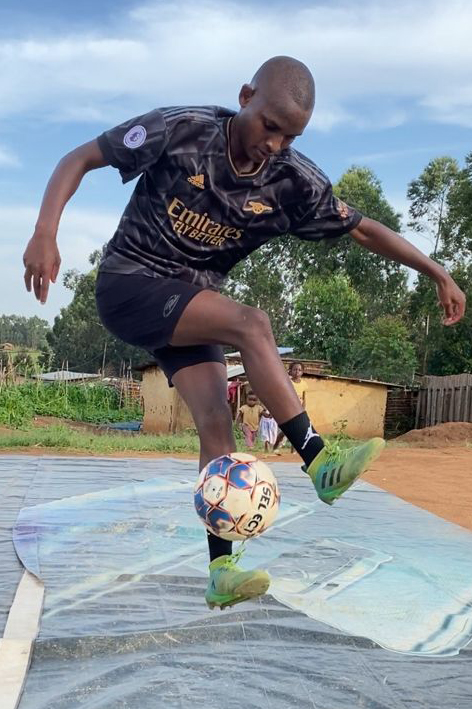
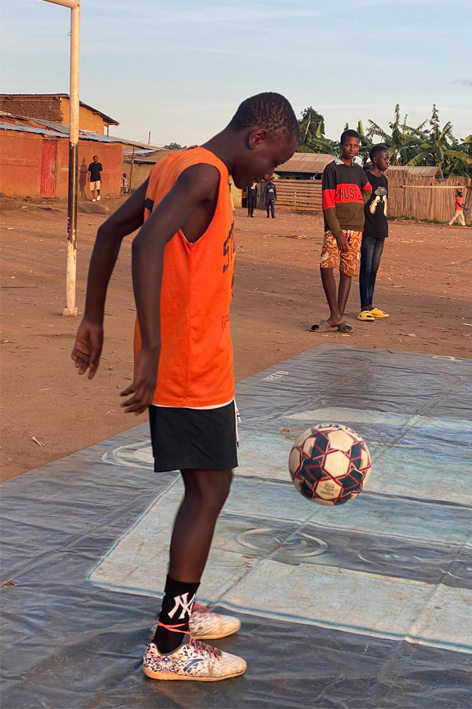
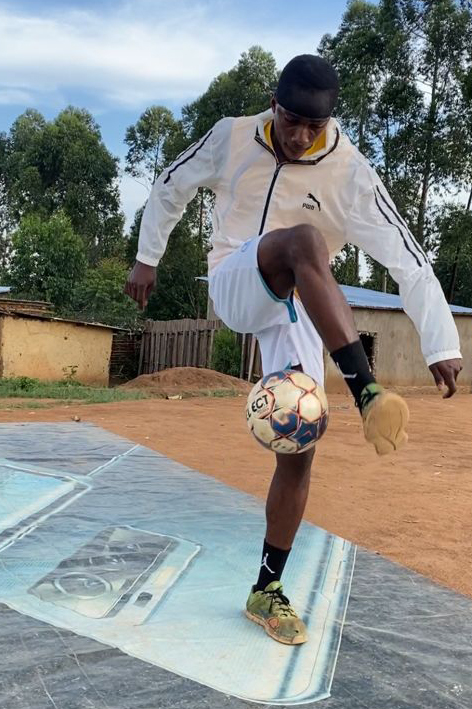
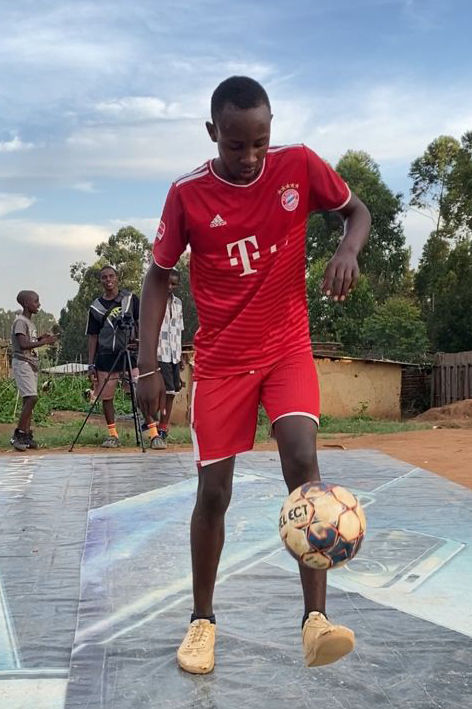
Freestyle football is practiced and performed by many refugees who appreciate it as both a sport and art form. Seeing it populatity, RSN decided to do a competition in which camp residents could compete against each other for prizes; and so, in late 2023 we created the first King Freestyle Football Challenge in three camps, Kakuma (Kenya), Dzaleka (Malawi) and Kayaka II (Uganda ). The winners in each camp competition were selected by superstars from the World Football Freestyle Association (WFFA) as well as celebrity judge and WWE superstar Omos.
Once the camp winners were picked in both junior and senior categories, the three camps then competed against each other, the first time this was ever done for a sporting event. The champions were picked based on the number of likes their videos received.
The competition was a complete success and Daniel Wood, WFFA founder said, “it was amazing to see how many people wanted to get involved with just a ball. Amazing skills everybody.”

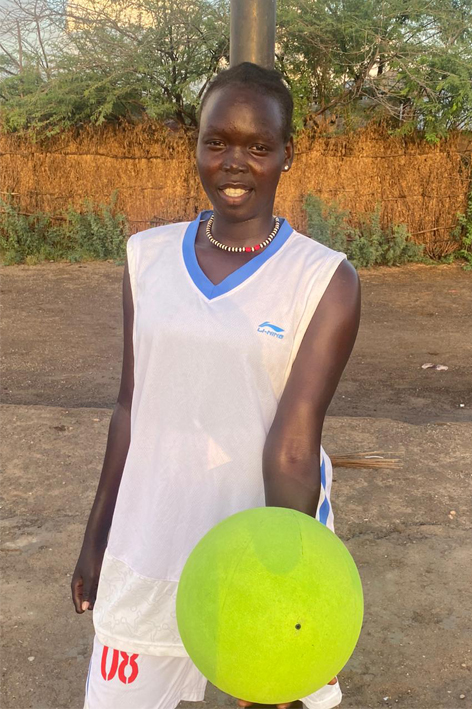
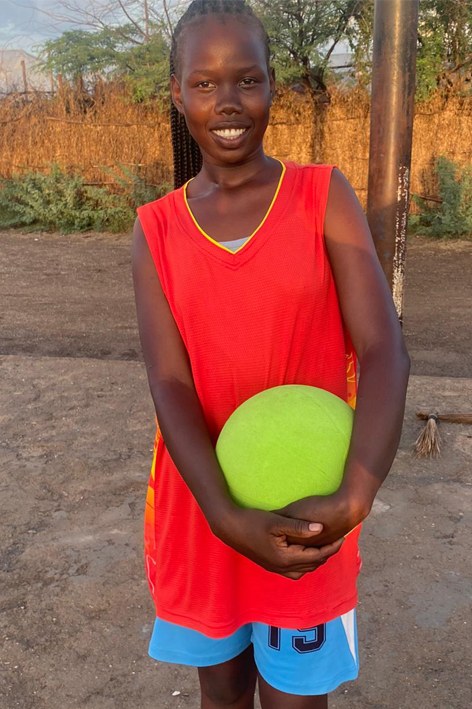
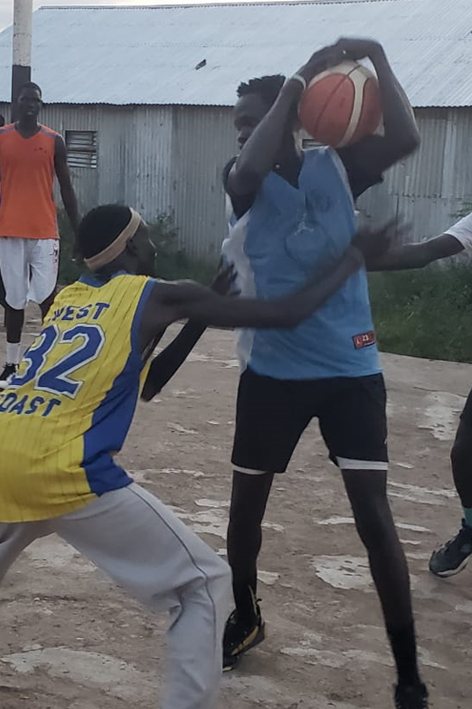
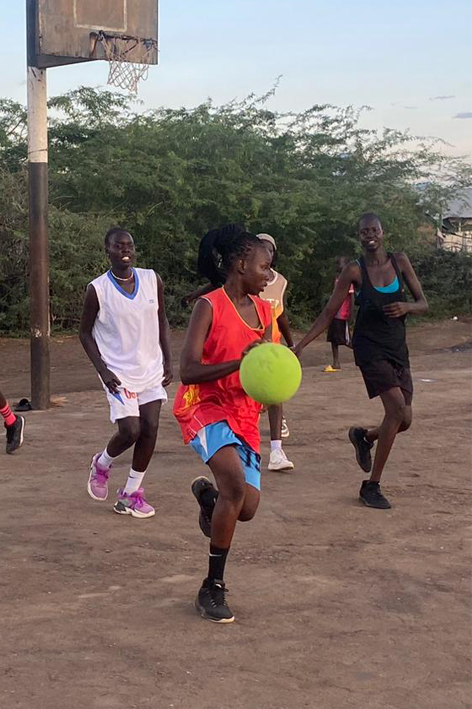
Basketball is the second most popular sport in refugee camps and many camps have junior and senior teams that compete in leagues. Camp residents also follow the professional leagues, particularly the NBA in the U.S. Probably the best way to understand the importance of basketball is by viewing the interview of Maruon Jal Dau, a basketball player from the Hong Kong Lions team in Kakuma Refugee Camp in Kenya (see video below).
When asked by our Executive Team member and reporter, Aman Garang Wil, what basketball meant to him, Maruon said “basketball really benefited me…it has really kept me in line in a channel where I am so pure like I don’t do drugs, like basketball kept me busy, it take me away from the street and bring me here….it has done so much for me.
Martial arts includes programs for karate, yoga, and acrobatics and it also focuses on mental activities such as mindfulness. Unlike most sports that are played by people through middle age, the activities also provide a way for older refugees to enjoy the benefit that sports provides. “It helps with building strength, keeping the body healthy, and maintaining a healthy blood pressure,” says Safi Kitenge, a participant in the Dzaleka Dojo Martial Arts Initiative in Malawi.
“In addition to being fun, martial arts helps reduce stress and trauma for refugees, many of whom have experienced mental health challenges. It also offers a way to stay away from drug use. It is a way of maintaining discipline in life,” says Biase Ramadhan, Founder of the Dzaleka Dojo Martial Arts Initiative.
In camps like Kakuma Refugee Camp, some youths pursue martial arts as a career, training to participate in organized, NGO-sanctioned competitions. This provides them with valuable skills, a sense of purpose, and a potential path to a professional career.
Though weightlifting isn’t formally organized as a sport in refugee camps, some dedicated individuals have taken the initiative to establish and run weightlifting programs within their communities. Despite often lacking proper gym equipment, these programs provide essential activities and resources that contribute not only to participants’ physical well-being but also offer crucial mental health support. As explained in the video below, these efforts have had a meaningful impact on the lives of those involved.

While the WWE type of wrestling is not practiced in refugee camps, there are other forms of wrestling such as is found in Kakuma Refugee Camp in Kenya. These involve testing strength by attempting to bring opponents to the ground. This type of wrestling is practiced by men, is seasonal, and is highly popular within the community.
However, residents in refugee camps are avid WWE fans and follow the sport closely. RSN executive team member, Tamanji Logodi of Kakuma Refugee Camp, said, “The event is watched in abundance to the extent of nicknaming themselves after wrestlers such as Randy Orton, John Cena, etc.”
In fact, WWE superstar Omos, himself born in Nigeria, acted as a judge in RSN’s King Freestyle Football Challenge and had this to say: “I’m excited to see what you guys have to show the world, the creativity… because I know we have an abundance of it….and I’m just glad that WWE and I can show you guys our support.”
While wrestling is not a participant sport at the camps, residents are avid fans and they follow WWE closely. RSN executive team member, Tamanji Logodi of Kakuma Refugee Camp said, “the event is watched in abundance to the extent of nicknaming themselves the names of wrestlers such as Randy Orton, John Cena, etc. “ In fact, WWE superstar Omos, himself born in Nigeria, acted as a judge in RSN’s King Freestyle Football Challenge and he had this to say: “I’m excited to see what you guys have to show the world, the creativity… because I know we have an abundance of it….and I’m just glad that WWE and I can show you guys our support.”
While boxing has become popular at the Wakanda Boxing Club in Dzaleka Refugee Camp , Malawi, the sport itself is not commonly found in refugee camps as it requires proper training materials and skilled coaches, making it less available to refugees compared to football, basketball and volleyball. That said, the impact of the club in Dzaleka has been significant, instilling discipline, respect, and time management among participants. One student at the club shared, “Participating in boxing has helped me utilize my time, keeping me away from alcohol, and it has taught me discipline.” This shows the potential of boxing to positively influence the lives of refugee youth. RSN hopes more focus is channeled to this sport and we plan to show more video content about boxing and boxing matches. Thanks to RSN reporter Jean Bertrand Mukeshawe for bringing this story to our attention
Wakanda Boxing Club In Dzaleka Refugee Camp, Malawi
 Refugee Sports Network